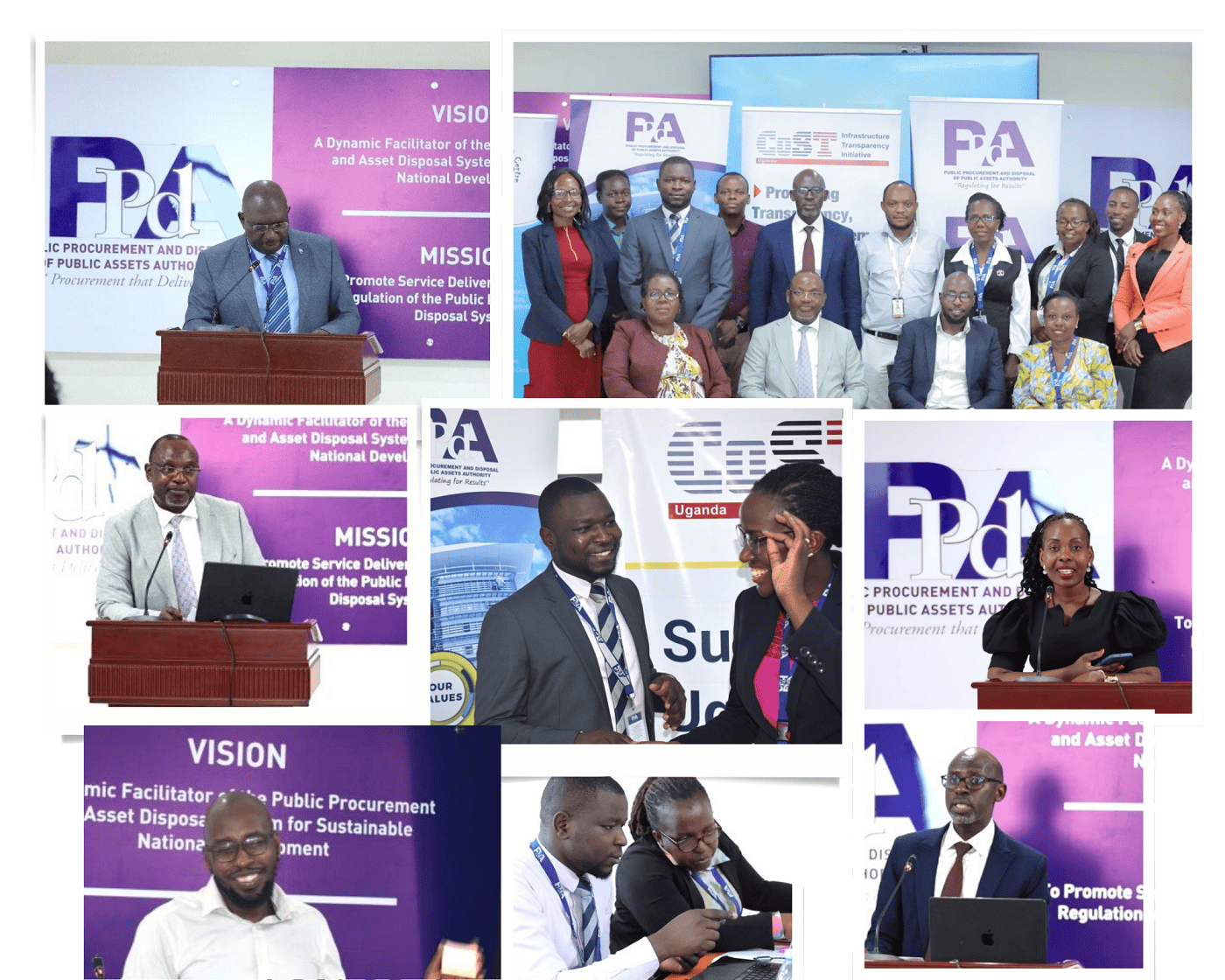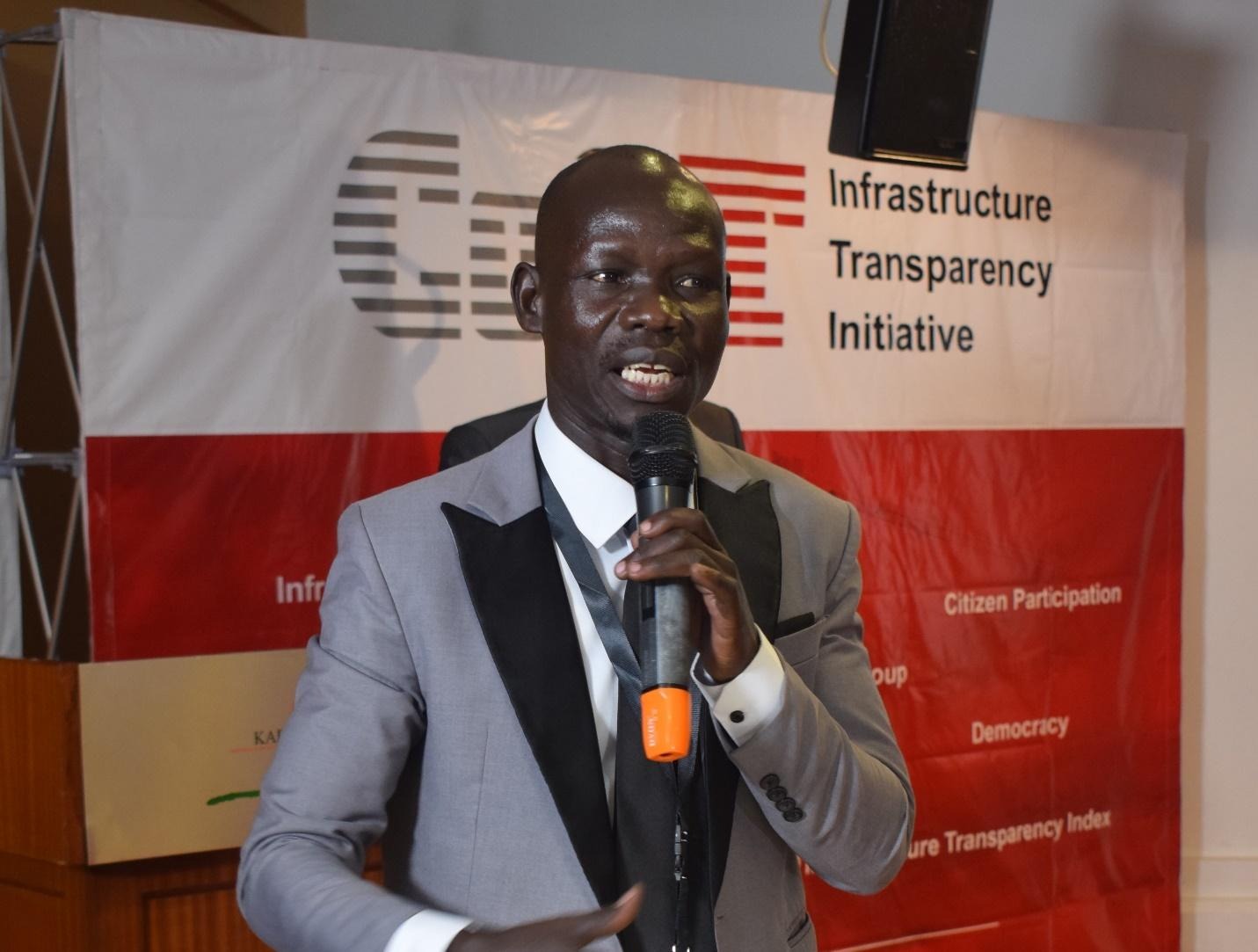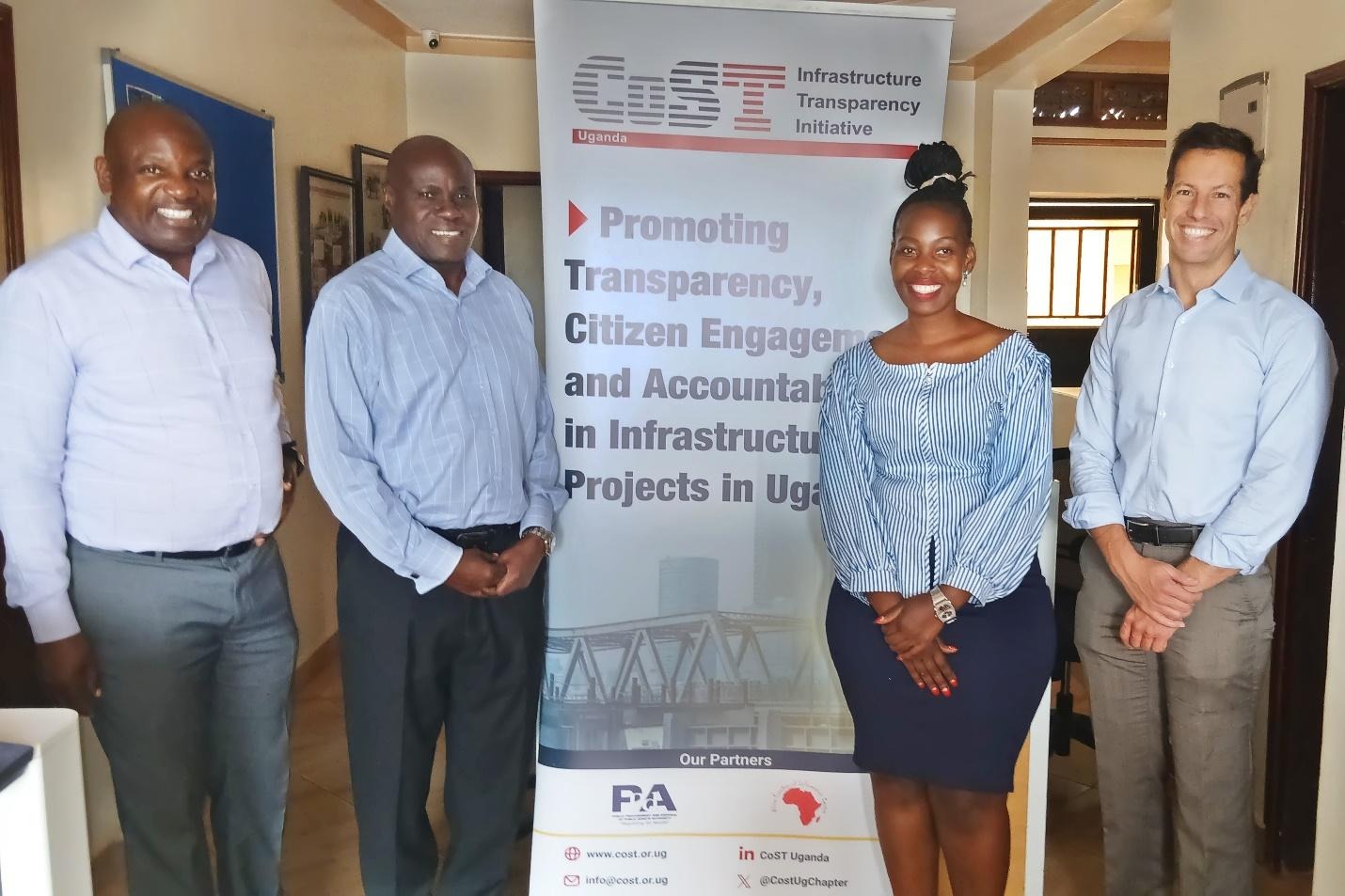
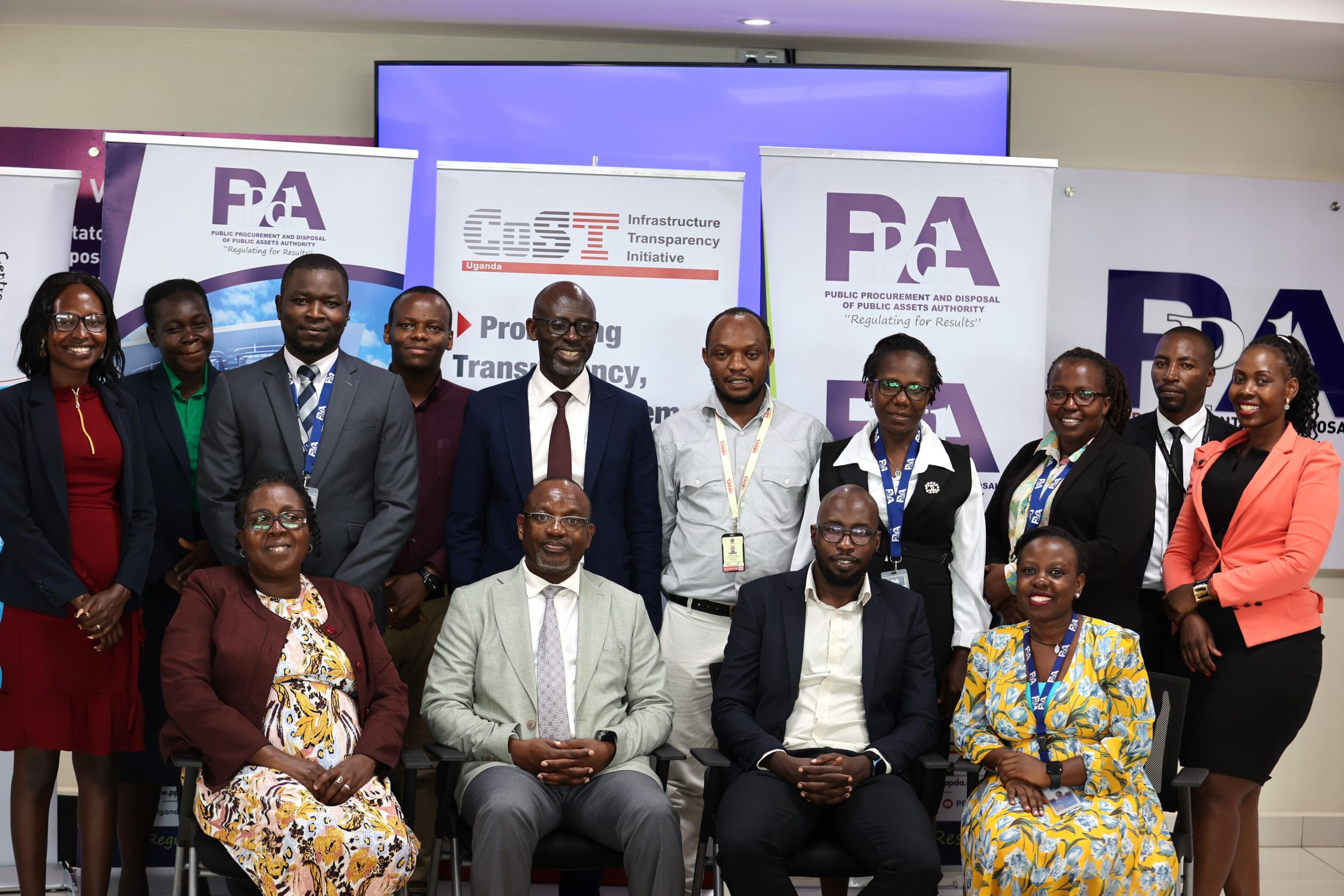
On 13th November 2025, the Africa Freedom of Information Centre (AFIC), PPDA, and CoST Uganda convened a high-level Use-Case Workshop at the PPDA Headquarters in Kampala. Objective: To review the Government Procurement Portal (GPP), align it with the new CoST Sustainability Data Standard(OC4IDS) and identify priority data points for the country’s upcoming GPP upgrade. What emerged from the day was more than a technical discussion, it was a powerful collective commitment to reshape Uganda’s infrastructure governance for generations to come.
Why This Workshop was a priority
Without comprehensive, accessible, and structured data, the country cannot fully safeguard its investments or its citizens. The workshop’s urgency was highlighted by the recent Nakivubo Channel flooding. A disaster that claimed lives and exposed the “cost of invisible infrastructure”. Projects whose compliance, ownership, and environmental responsibilities remain hidden from public view. The GPP, currently meets only 17.6% of the Open Contracting for infrastructure data standards (OC4IDS) data requirements leaving critical information unpublished, untracked, or unknown. Our upcoming upgrade intends to fix these gaps using the CoST-The Infrastructure Transparency initiative open contracting sustainability standard data points including social safe guards, environment & climate resilience, Institutional, economic & fiscal , and climate finance data points.
A Multi-Stakeholder Alliance for Transparency
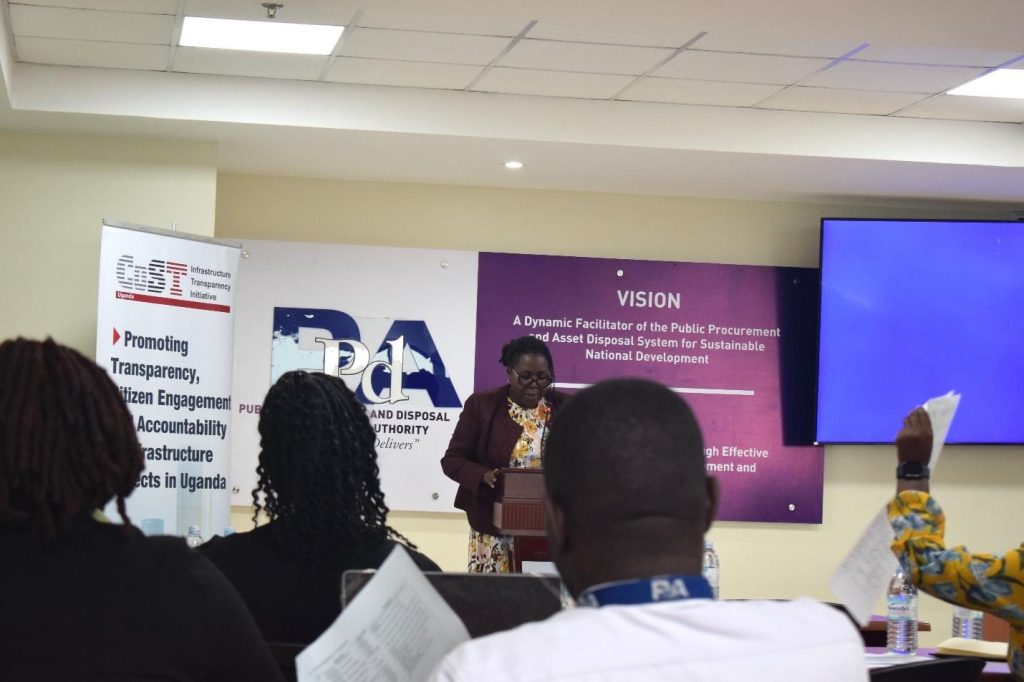
Figure 1PPDA’s Lydia Kwesiga presenting priority data points selected
The workshop brought together 24 key representatives from government ministries, MoLG, KCCA, NEMA, UEDCL, CSO, private-sector bodies (UNABSEC), the CoST International Secretariat and the co-organizers-AFIC, CoST Uganda and PPDA. This diversity resulted into selection of 36/78 sustainability indicators reflecting the full realities of Uganda’s procurement priorities that shall be incorporated into the GPP upgrade including,

These indicators will be incorporated into the GPP upgrade, marking a shift from disclosing tenders only, to publishing meaningful, lifecycle-wide, sustainability-focused infrastructure data.
Key Messages from leaders in Transparency
Dr. Alosyious Byaruhanga – Director Performance Monitoring, PPDA
He emphasized that Uganda must align procurement systems with global standards and national sustainability laws of open contracting. While PPDA already enforces ESHS and beneficial ownership requirements, these must now be reflected in digital systems. PPDA committed to integrate all selected data point indicators into the GPP upgrade.
Violet Jolly -CoST Uganda
She outlined how CoST’ four-part approach: data disclosure, independent review, social accountability, and multi-stakeholder engagement has already improved infrastructure transparency as she noted that GPP’s current 17.6% alignment is a call to action, not a setback in Uganda’s sustainability of infrastructure project deliveries
Neelima (CoST Helpdesk)- OC4IDS Lead
She contextualized Uganda’s reform within global trends. While displaying CoST IDS and global use-cases, OC4IDS is now used to disclose 18,000+ projects worldwide, enabling better governance, cross-country comparability, and climate-finance readiness. She explained. Whereas CoST IDS defines what to disclose, OC4IDS defines the standard.
“Publishing quality infrastructure data is no-longer optional, its essential for competitiveness, investment and accountability” Neelima stated
Michael Chengkuru – Consultant Mapping and GPP upgrade
Michael offered a sobering reality check: infrastructure opacity kills literally. His mapping report revealed 0% sustainability disclosure on GPP today and highlighted how this invisibility contributed to failures like the Nakivubo floods
“You can’t track what you can’t link” Without visibility across the full project lifecycle, Uganda cannot manage risks or measure performance. He added.
Lydia Kwesiga- Manager Compliance Monitoring-PPDA
The World Bank emphasizes, Economic impacts, such as local job creation and local procurement and contractors to have a decommissioning plan. Hence should be considered priority to reflect the full value of infrastructure investments in upcoming upgrades and disclosure. Lydia stated.
Gilbert Sendugwa- Executive director AFIC
“What cannot be measured cannot be improved.” Although sustainability provisions exist in the legal framework, they are not fully captured on the GPP making it difficult to measure performance or identify gaps. Our data publication project is to play a key role in strengthening data availability, use and improving oversight. This initiative also fulfils the actions proposed during the East African procurement forum seating (2024). Mr. Gilbert Sendugwa stated while closing the workshop.
A Forward-Looking Conclusion: Uganda Steps into a New Transparency Era
The workshop concluded by selecting 36 sustainability indicators for the GPP upgrade. Key steps include:
- Adding single project identifiers and missing procurement phases (operation, maintenance, decommissioning) to publish data across the full project lifecycle
- Creating user interface dashboards on the system for enhanced analysis
- Creating a dedicated space for special procurement directives, including presidential directives during the Gpp upgrade.
- Seeking additional inputs from other ministries implementing major infrastructure projects
- Seeking to Link eGP and GPP to eliminate fragmentation
This upgrade is a national milestone in strengthening legal compliance, unlock climate finance investments and funding, improving public trust, reducing corruption risks and position Uganda as a regional leader in open contracting community across the globe.
PPDA–AFIC–CoST use case-workshop was a bold declaration that Uganda is ready to build infrastructure that is transparent, inclusive, climate-smart, and accountable.