On Katalemwa Road in Katalemwa Village, Kawempe Division, a simple stretch of road tells a much bigger story one about land, livelihoods, learning institutions, and the importance of listening before building.
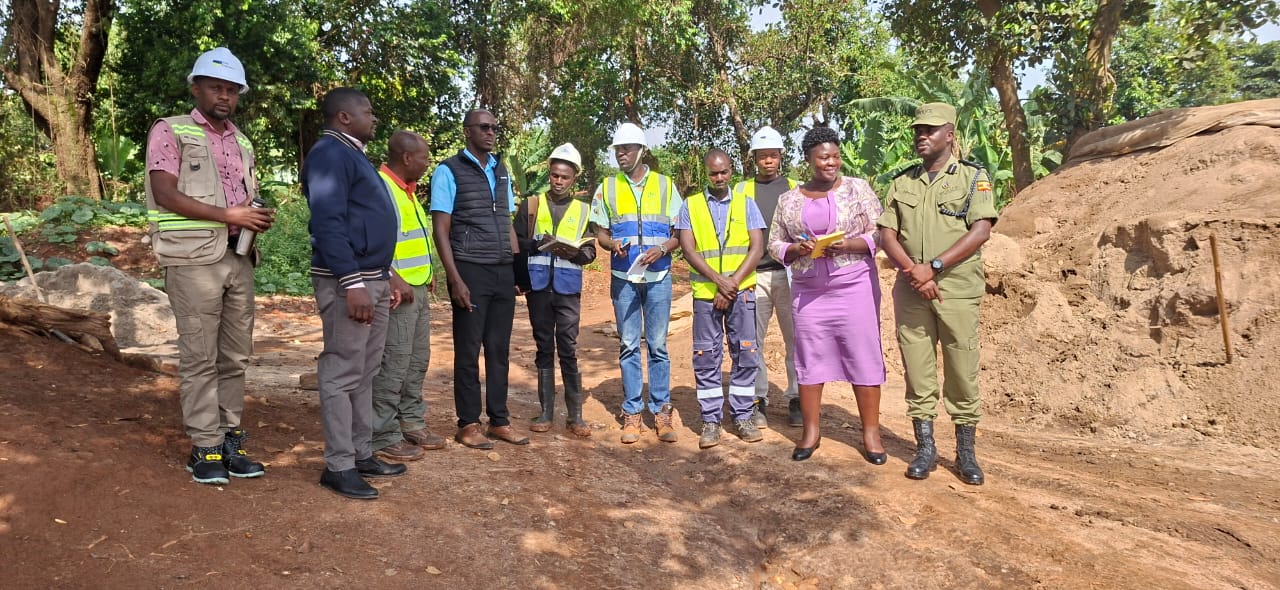
Today, 17th December 2025, CoST Uganda (Jolly Violet) joined a diverse group of stakeholders on ground to deliberate in a constructive dialogue around the ongoing Katalemwa Road construction. Present were representatives from KCCA Kawempe Division- Engineer Ssemujju Kizitto (Roads Engineer) and Ms. Scovia from the Human Resettlement Department KCCA, Eng. Ezra from Estates Department Makerere University, the contractor Multiplex, the Environmental, Social Health Safeguards (ESHS) Consultant’s Team Leader (Mr. Oule Herbert) JBN Engineering Consultancy.
The meeting was convened to address land claim concerns raised by Makerere University, which had led to the temporary halt of construction on parts of Katalemwa road. The university claimed that a section of the road alignment passes through their land.
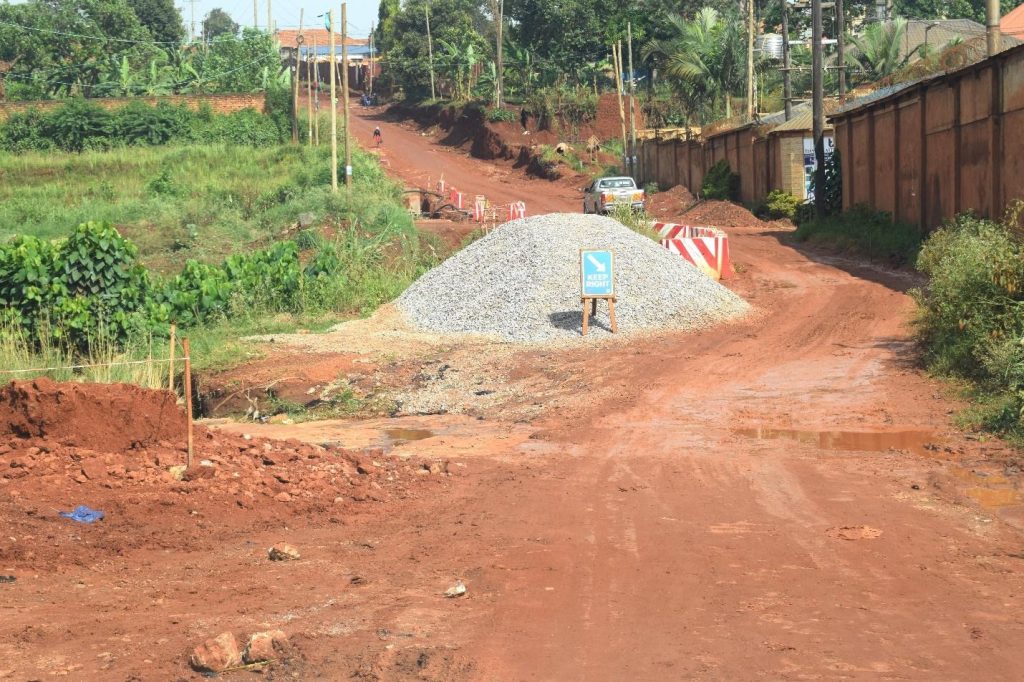
Figure 1Photo of Katalemwa road, Kawempe Division -Kampala
Following earlier high-level engagements between the KCCA Executive Director and the Makerere University Secretary, all parties committed to a joint, transparent, and an on-site assessment meeting scheduled for 17th December 2025. Today’s gathering marked a critical step in honoring that commitment bringing decision-makers, technical teams, and implementers together at the exact location where the issues exist to resolve public grievances.
During the engagement:
- Makerere University requested clarity on the exact portion of land required for the road works, Surveyors were requested to provide detailed map to show extents by which the proposed road is to affect the PAP’s land so that a decision can be taken
- The contractor confirmed plans to excavate and replace all drainage pipes to improve road safety and durability.
- Stakeholders -CoST Uganda, emphasized the importance of public consultation, a key principle under CoST Uganda’s new sustainability data points, which call for early engagement, openness, and social responsibility in infrastructure development.
For CoST Uganda, this meeting demonstrates that infrastructure is not just about concrete, it is about people inclusion in early planning stages of procurement. When communities and stakeholders are engaged openly, challenges can be addressed collaboratively, and sustainable solutions can emerge.
As the assessment results are finalized, the decisions that follow will shape the future of Katalemwa Road, and how public infrastructure projects can be delivered transparently, inclusively, and responsibly.
CoST Uganda remains committed to supporting dialogue that places citizens and accountability at the center of infrastructure developments.