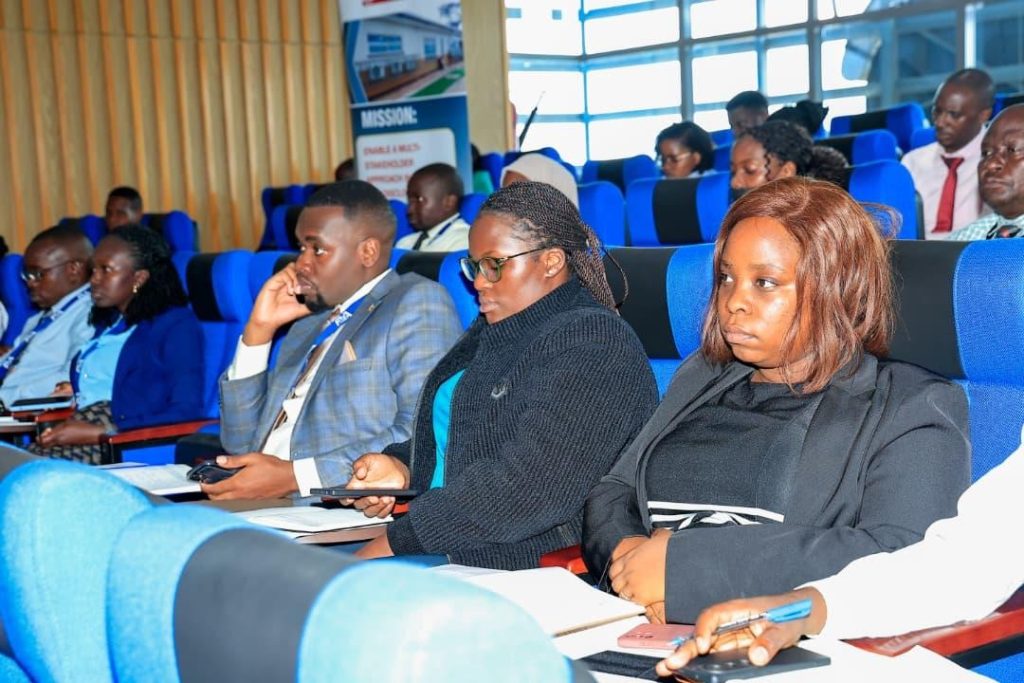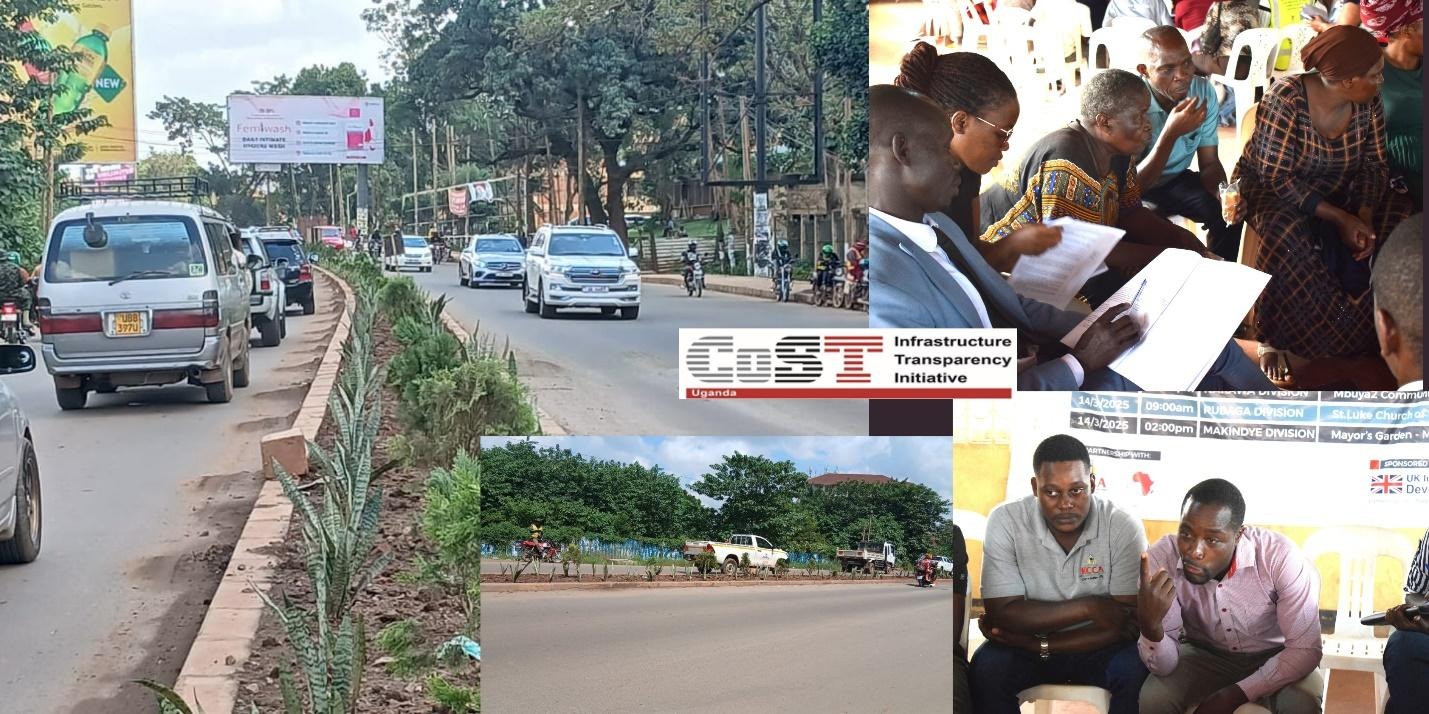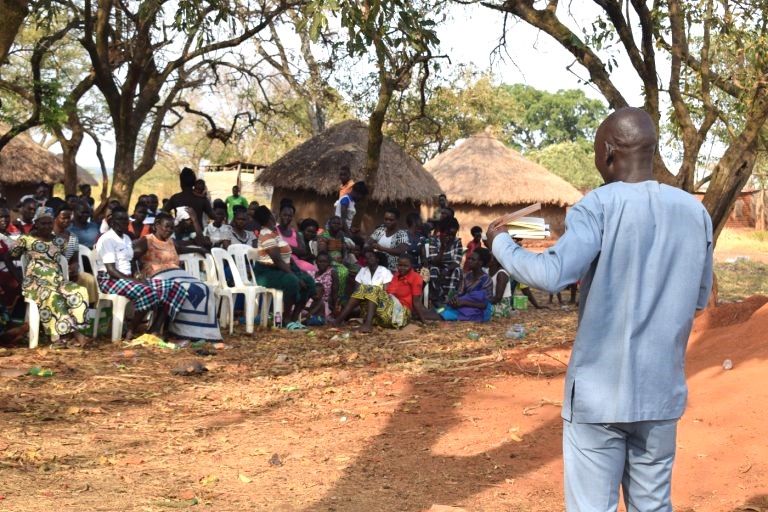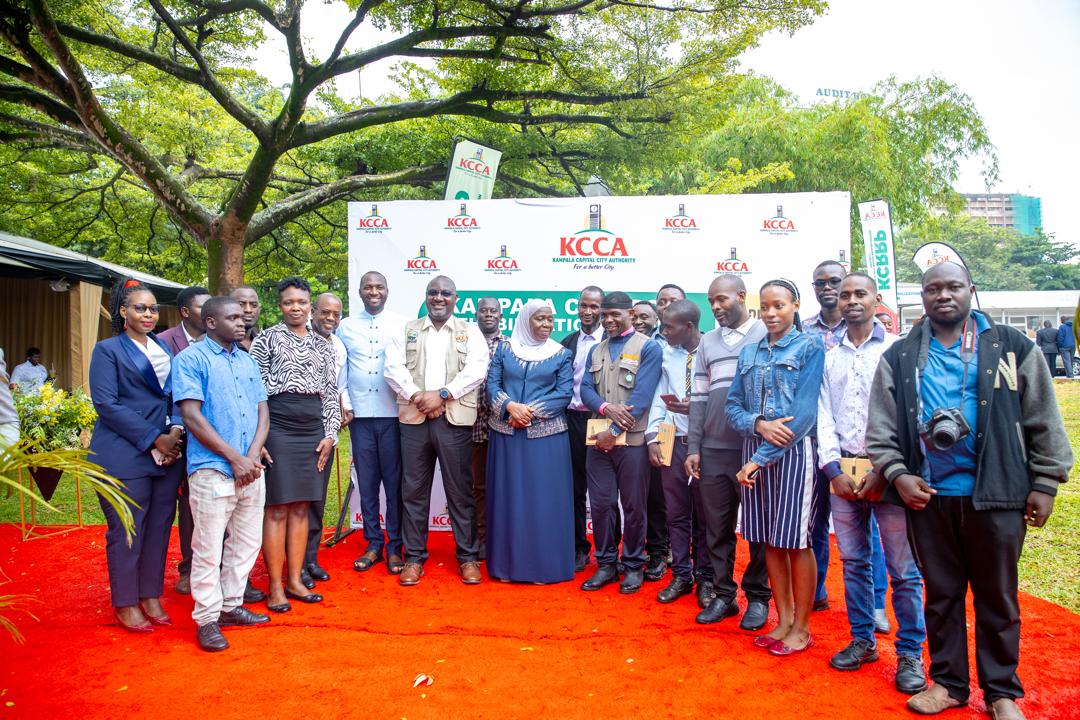
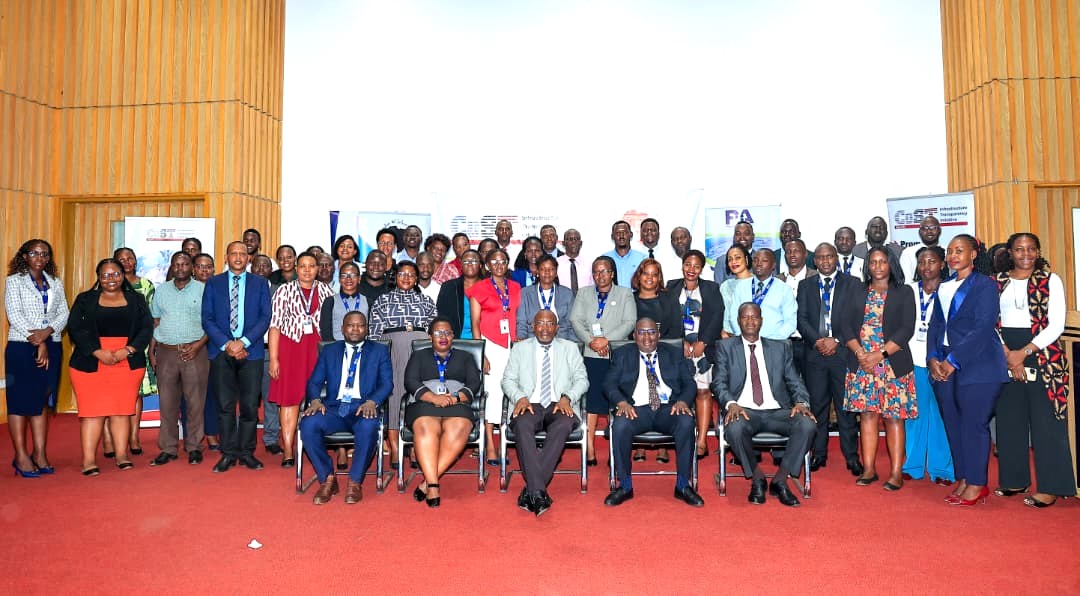
CoST Uganda, through the Africa Freedom of Information Centre (AFIC) in partnership with the Public Procurement and Disposal of Public Assets Authority (PPDA), conducted a two-day user-centred capacity training on the upgraded Government Procurement Portal (GPP) from 8th–9th April 2026 at the PPDA Auditorium in Kampala.
The training brought together 80 participants from Procuring and Disposing Entities (PDEs), government institutions, civil society, the private sector, and academia—primarily those responsible for infrastructure procurement data management. The objective was to strengthen capacity in the use of the upgraded GPP, with a focus on Open Contracting for Infrastructure Data Standards (OC4IDS), sustainability reporting, and improved infrastructure data disclosure.
Opening the training, Dr. Aloysious Byaruhanga, Director of Performance Monitoring at PPDA, highlighted the upgraded GPP as a key milestone in Uganda’s transition to digital and transparent procurement systems. He noted that infrastructure projects worth over UGX 4 trillion have already been disclosed on the platform and called for increased efforts to scale up data publication and improve compliance across entities.
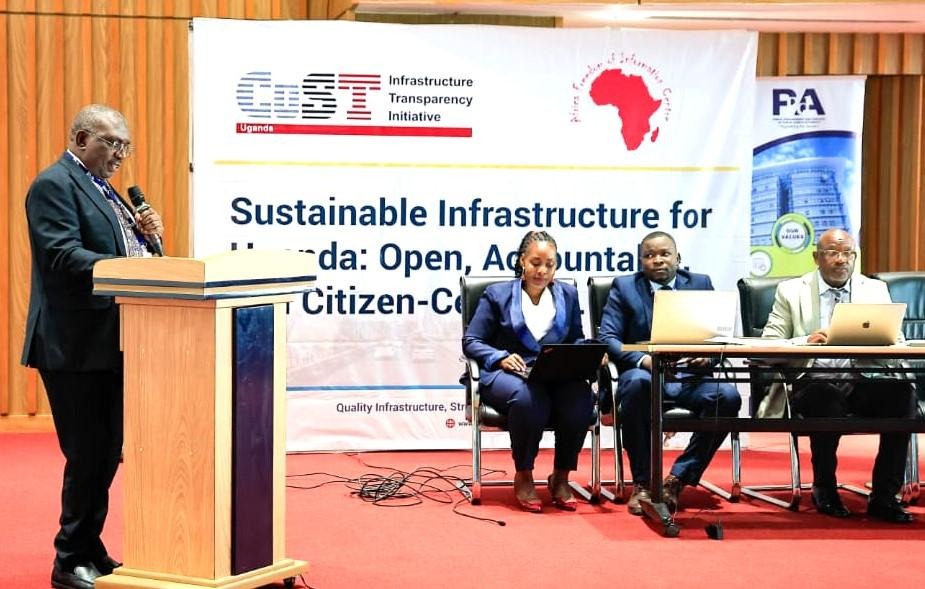
(Left) Dr Byaruhanga Aloysious, PPDA, Ms. Violet Jolly, Mr. Simon Onen and Mr. Gilbert Sendugwa (Right) during the event
Africa Freedom of Information Centre- AFIC Executive Director, Mr. Gilbert Sendugwa, emphasized the broader significance of the Data Publication Project, under which OC4IDS has been integrated into the GPP. He underscored the importance of proactive disclosure in strengthening accountability, improving procurement performance, and supporting evidence-based decision-making, in line with Uganda’s legal and policy frameworks on access to information ACT 2005 and the PPDA 2023 regulations on ESHS. He urged participants to operationalize the publication of infrastructure data in line with the CoST Infrastructure Data Standard.
Ms. Doreen Kyazze Mulema, Manager Legal Affairs at PPDA, highlighted the role of procurement data in monitoring performance, strengthening oversight, and mitigating risks such as corruption and inefficiencies.
Ms. Violet Jolly from CoST Uganda provided an overview of CoST’s approach, emphasizing the importance of standardized data publication through use of the CoST tools and multi-stakeholder engagement in improving infrastructure transparency. Technical sessions focused on the practical use and functionality of the upgraded system.
Demonstrations and practical training of the upgraded GPP were led by Mr. Michael Chengkuru from the CoST International Secretariat, who guided participants through system features, including the sustainable modules and data points, lifecycle tracking of infrastructure projects and user dashboard that has been added. He noted that the system is designed to provide a more comprehensive view of projects while ongoing refinements will continue to respond to user feedback and practical needs.
Generally, PDEs were introduced to key system enhancements, including the integration of 36 OC4IDS-aligned data points across social, environmental, economic, institutional, and climate dimensions. The GPP platform now supports full project lifecycle tracking- from planning to decommissioning and includes improved analytics to support monitoring and decision-making.
Through interactive discussions and demonstrations, participants gained practical insights into data entry, reporting, and the use of infrastructure procurement data for accountability.
Overall, the training reinforced the importance of high-quality, timely infrastructure data reporting in strengthening transparency and accountability in public procurement. The portal is expected to enhance compliance, improve data quality, and support better oversight of infrastructure investments.
Closing the training, Mr. Simon Onen, Acting Manager Compliance Monitoring at PPDA, encouraged participants to apply the knowledge gained, offer mentorship in their respective PDEs and support data publication efforts within their respective institutions.