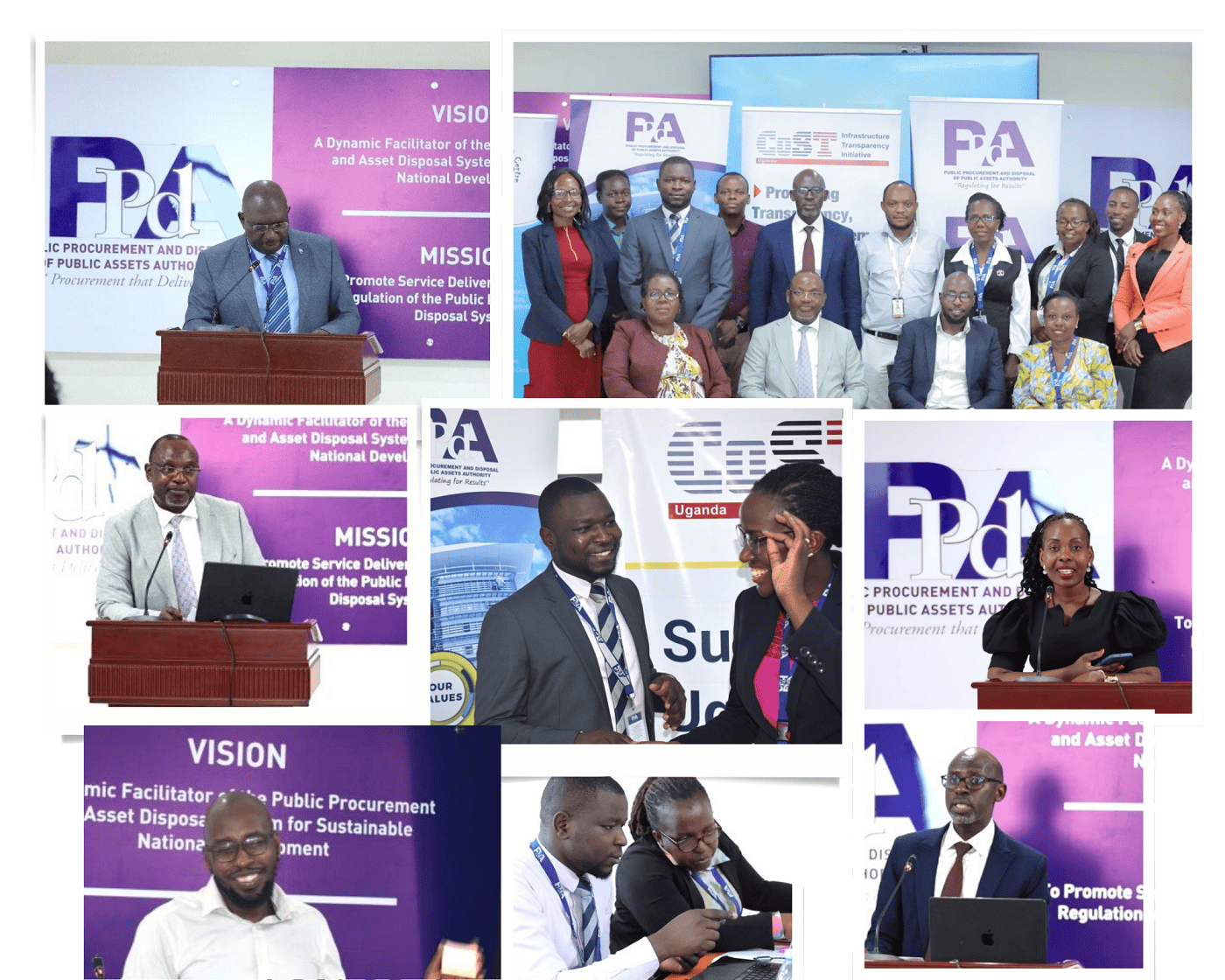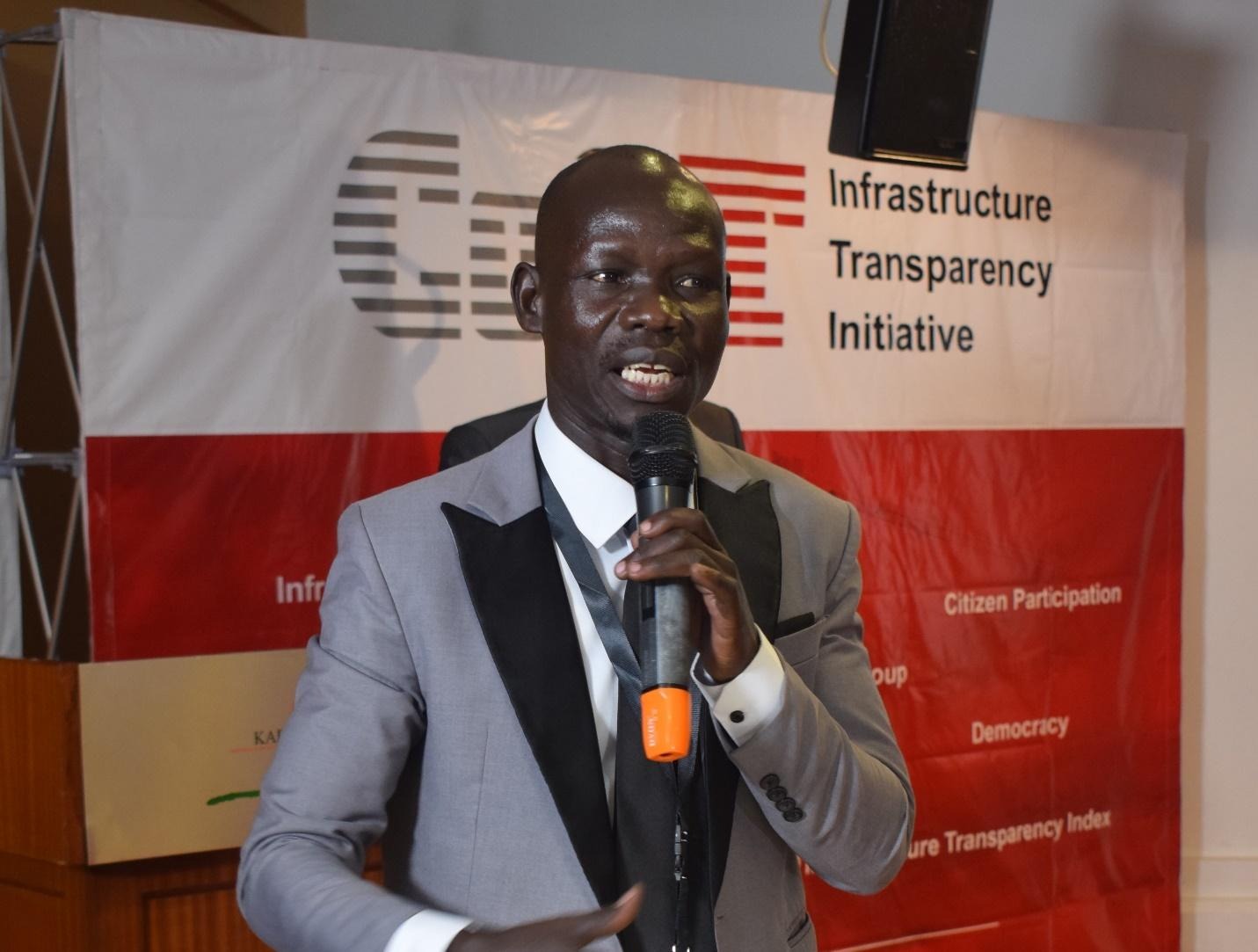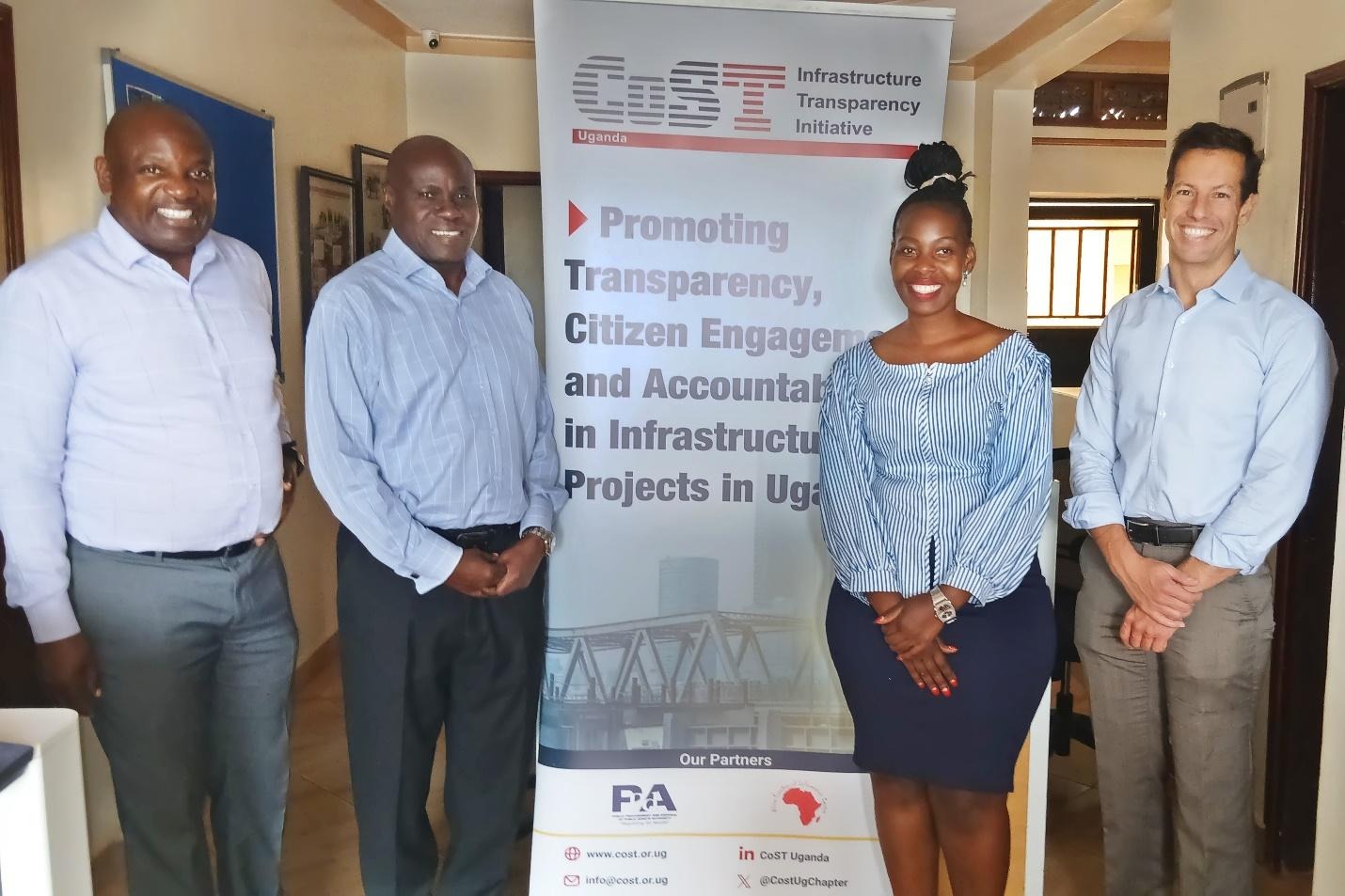
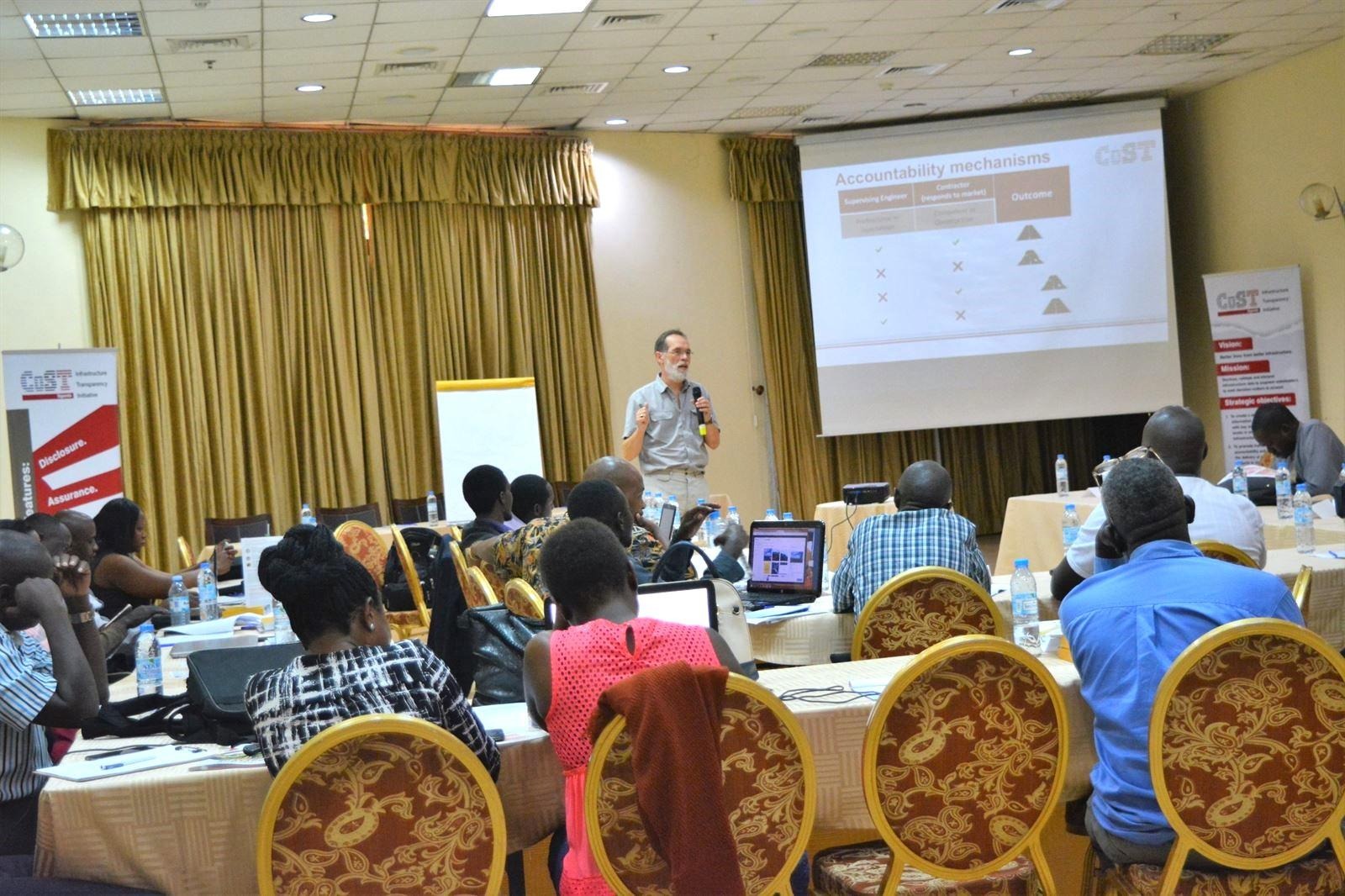
Since its establishment in 2014, CoST Uganda (an infrastructure transparency initiative) has continued to promote its agenda of” Quality infrastructure, stronger economies and better lives”. Over the past 11 years, CoST Uganda has played a transformative role in strengthening, infrastructure transparency, accountability, and fair business practices through evidence-based studies, government partnerships, digital standardizations for infrastructure procurement data and civic-social accountability mechanisms.
Uganda joined the CoST initiative following an invite by UNRA to support efforts in advancing value for money in the roads sector. In 2017 Ministry of Works and Transport assumed championship of the CoST programme securing more government commitment to increase infrastructure data disclosure, accountability and transparency.
CoST– is an international infrastructure initiative operating in countries within Europe, Latin America, Asia and Africa. The CoST programme is supported by the Foreign Commonwealth and Development Office (FCDO) to improve global infrastructure service delivery.
Laying the foundation: The 2017 Scoping study
The CoST scoping study (2017) was a baseline study that assessed transparency for various levels of disclosure practices for publicly funded Infrastructure projects using the infrastructure Data standard (IDS). A desk review was made together with interviews with key informants. Findings revealed significant transparency gap -only 12% data points were being published (IDS) indicating need for a reform and standards for disclosure. In response, CoST Uganda intensified stakeholder engagement (government, private sector, CSO’s) in advocating for improved data publication and openness in infrastructure procurement delivery.
CoST Independent Review studies driving evidence-based reforms
At the heart of CoST Uganda’s impact, are independent review studies (IRR) conducted routinely, rigorously, and evidence based, examining both consistency, value for money and compliance with infrastructure data standards (OC4IDS & CoST IDS). To-date, CoST Uganda has conducted 6 Independent reviews (formally called Assurance studies). During these studies, selected entities are engaged, proactive study & reactive studies are done through- desk reviews are performed, field visit data collected, key informants’ or FGDs interviewed in line with the CoST IDS tools, community baraza meetings are held and the final report is validated and launched with key stakeholders. These studies go beyond assessing transparency- they verify accuracy, identify systematic procurement weaknesses, examine ESHS, examine local content participations and inclusive-ness and probe actionable reform recommendations for service improvement. Our IRR study recommendations have supported government to advance progressive transparency and anti-corruption agenda.
In 2017 we conducted our 1st Assurance process report (Independent review) covering 5 pilot projects in 3 entities (KCCA, UNRA & Wakiso DLG) addressing low disclosure levels standing at 12% from the baseline scoping study. The assurance study scored 20% infrastructure data disclosure. CSOs expressed concerns of not just low data disclosure but also restricted participation in procurement processes. This is when CoST IDS was highly recommended for government uptake and implementation in the project life cycle, and PPDA was recommended to enhance quality, compliance and control procedures, community sensitizations and inclusions, health safety measures and supervision for contractors. Through dialogue and technical support, CoST Uganda strengthened collaborations between govt and non-state actors creating space for transparency reform.
In 2018, we conducted the 2nd Assurance/independent review assessing 8 projects from entities assessed earlier. Disclosure levels for infrastructure projects increased to 49% from the 20% earlier score marking the first major improvement.
In 2020, CoST launched the 3rd Assurance that assessed 13 projects from 5 PEs recommended by PPDA. There was reduced disclosure to 42%, with cost and time overruns due to changes in scope and limited compliance with standards such as local content. Following this, we initiated a project (BII) to promote Fair business practices.
In 2021, we conducted our 4th Assurance/ independent review study titled “A Ray of sunshine” which assessed 23 projects across four infrastructure sectors covering MoWT, KCCA, NWSC, MoES, MWE, and Parliament of Uganda. Disclosure across the 23 projects was at 61.5% an increase of 19.2% from the 3rd assurance. 39% of the projects here experienced time over runs due to the COVID 19 pandemic. There was good involvement of women and youth in the implementations taking on roles, high levels of local content resulting from our BII. The IRR recommended government to issue standard disclosure template to support implementation by all PDEs in appreciation of the right of access to information. The 4th IRR expanded focus to private sector and validated their data analyses including findings from Methodology for assessing procurement systems (MAPS) Assessments encouraging contractor government dialogue to improve trust and collaboration. Despite issues like staff turnover that affect sustainability, CoST Uganda has routinely built momentum through continuous stakeholder engagement and capacity building program facilitations.
In 2022, we conducted the 5th Independent review study, assessed 10 health infrastructure projects at MoH covering 59 high spend projects worth USD 19 trillion. Projects were under the Uganda UGIFT, URMCHIP and EAPHLNP. These reported improved disclosure practices to 64%, at this point we had introduced the CoST standards and facilitated trainings for PDEs whom published 122 infrastructure projects on GPP. Although, as an entity, MoH experienced publication declines up to 9% from their 2021 IRR acknowledging challenges of the COVID19 pandemic. Inclusiveness in public contracting was weak as no contracts were issued to special interest groups, incomplete lab, strong emphasis for entity to disclose contract-project information on GPP and eGP. And for MoFPED to strengthen compliance. There were both tender management, transparency and health safety issues. The improvements in publication were attributed to our earlier support through PPDA aligning the GPP system with OC4IDS.
In 2025, we launched the 6th Independent review study with Ministry of Local Government scoring 59% in disclosure practices for 10 road infrastructure projects under the PRELNOR and LEGS program. Despite declines in the general IRR trend, MoLG reported an increase of 11% in data publication following its previous assessment scores as an entity. Baraza events in Nwoya district resulted into citizen demand for a police post which got established by government. Also one local donated land for a health facility construction as another infrastructure set out, to be taken on by government.
Promoting fair business practices
In 2019, CoST Uganda implemented a one-year Business integrity initiative (BII) aimed at promoting fair business practices. The project analyzed procurement data and identified gaps in integrity, ethics, fronting disclosure, local content participation, and legal frameworks governing business conduct.
At the time,
- 88% of the business lacked adequate information on procurement opportunities
- 51% of tenders attracted few than 3 bids
- 38% of the businesses lost bids due to quality concerns
- 20% reported the ability to pay bribes (based on PPDA study)
- Only contract award data was publicly available, while material project data was largely unpublished. Through government, these reforms were later adjusted.
The Responsible Infrastructure Project:
Through our implementer the Africa Freedom of information Centre, we modelled 32 data points of open contracting (having sustainability and climate finance data points) with Kampala capital city Authority to scale up transparency through public scrutiny in project appraisal and selection of infrastructure projects.
Why the CoST studies?
From above studies and engagements, we have worked with different stakeholders driving change in practices contributing to significant behavior changes and reforms. Through our support on standard reporting tools, and recommendations from our studies, Uganda government through government entities such as PPDA, MoFPED:
- Promoted fair business practices by Reducing bid security provisions from 2 to 1% improving equitable participation.
- Replaced lengthy bid validity periods with bid declarations
- Enhanced government contractor dialogue
- Strengthened provisions on special groups,
- Increased local content participation from 24% to 32.8%
- Increased infrastructure procurement data disclosure using standardized data points of OC4IDS with dashboards that show trends in bids, price competition vs budget,
- Supported in aligning government procurement portal (GPP) to the open contracting for infrastructure data standards, resulting into publication for hundreds of infrastructure projects in OC4IDS worth trillion USD’s with efforts for eGP similar standards.
- Supported trainings for PDEs to support sustainability, data quality and accessibility for infrastructure projects, contracting and transparency.
The Infrastructure Transparency Index
CoST also introduced the ITI in 2021 as a tool to measure and benchmark transparency levels across projects and institutions. Another 2nd ITI (2024) was also conducted on 30 procuring entities where KCCA emerged as the best performer at 86% followed by Ministry of Works and Transport. The scores improved from to 20.8% to 32.6% for the two ITI studies respectively capturing dimensions of enabling environment, capacity-processes, citizen participation, and information disclosure rates. Information disclosure scored poorly at 26.81% compared to the best, enabling environment (43.5%).
Social accountability
Recognizing informed disclosure, in our social accountability initiatives, we have trained hundreds of journalists, Civil society, public officials and private sector to report objectively on infrastructure project delivery. Previously seen as political gatherings, we scaled up use of baraza meetings for community involvement in infrastructure design and delivery, impacting transparency and accountability, transforming perceptions, public trust and infrastructure service distributions. In Mabira, where a water irrigation infrastructure engagement had revealed only 20 farmer beneficiaries of the dam, our baraza resulted into government extension for the water access to over 200 farmers.
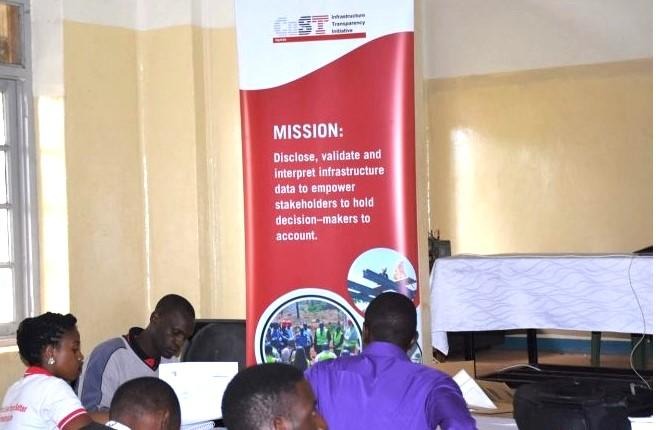
International recognitions
In 2023, CoST Uganda received a global award on Anti-corruption from Basel institute of governance affirming our contributing to transparency and anti-corruption. The world construction association (CICA) published key learnings from our Uganda work on a fair construction market for private sector
Similarly, received a badge in recognition for open contracting. https://www.cost.or.ug/2025/09/10/uganda-secures-an-oc4ids-validation-badge-through-ppda/.
Acknowledging Leadership and Partnership
As CoST Uganda marks over a decade of advancing Infrastructure transparency and accountability, we recognize that this progress would have not been possible without strong government partnership and leadership, donations and support from funders including the FCDO, the CoST International secretariat and our Host AFIC.
Sincere appreciations to government of Uganda for the continued collaborations and commitment to open contracting and infrastructure data disclosure, the Ministry of Works and Transport for championship of the CoST Uganda Programme since 2017, providing strategic oversight and policy direction that has anchored transparency reforms within the national systems and all other actors driving a lasting change in SDG 9 and 13.
We acknowledge Public Procurement and Disposal of Public Assets Authority, the Office of the Prime minister, Ministry of local government, all PDEs, sector ministries, for embracing our disclosure standards, strengthening GPP disclosure and supporting implementation of our independent review recommendations.
These sustained relationships Uganda has moved from disclosing 12 data points to institutionalizing standard data publication practices across hundreds of projects worth trillion shillings reflecting shared commitments to quality infrastructure, fair business practices, and improved service delivery for citizens.
As we look ahead, CoST Uganda remains committed to working with government, private sector, civil society, media and communities to ensure that transparency continues to translate into accountability and better lives for Uganda and the diaspora!
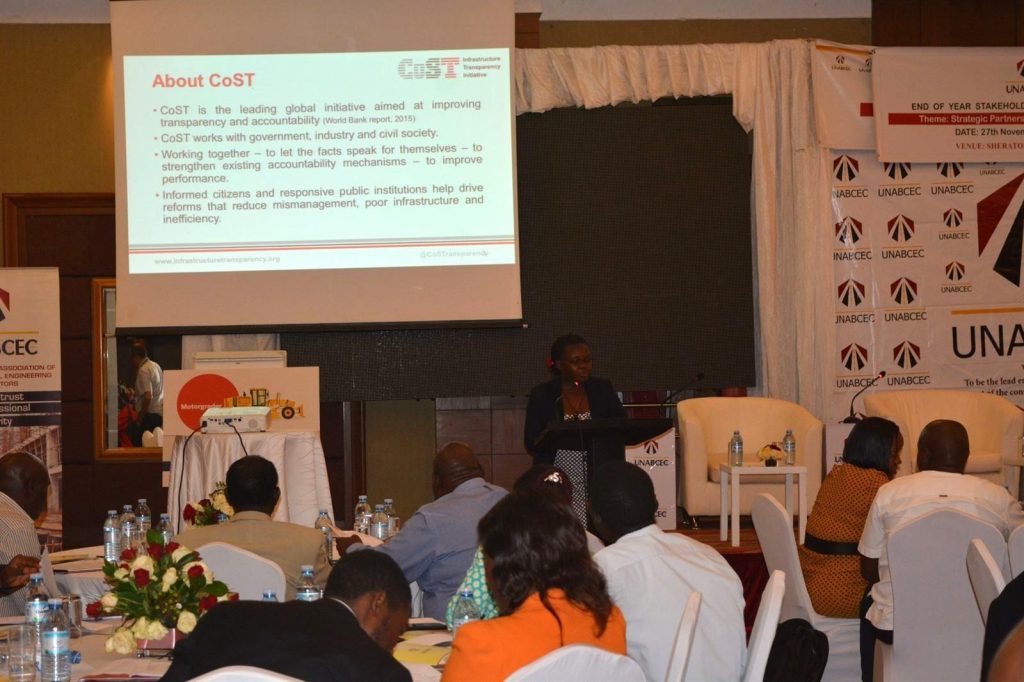
At stakeholder forum assessment by UNABSEC, where CoST Uganda was recognized for being a gold sponsor, 2019